Draw Your Memory: Sketchnotes and Mind Maps That Stick

Why Pictures Help You Remember

Dual Coding in Action
Sketch a magnet beside a keyword, and you immediately create two paths to recall: a visual hook and a verbal cue. That redundancy pays off during exams, meetings, or pitches, when one pathway fails and the other confidently carries you.
The Map Advantage
Sketch a magnet beside a keyword, and you immediately create two paths to recall: a visual hook and a verbal cue. That redundancy pays off during exams, meetings, or pitches, when one pathway fails and the other confidently carries you.
Emotion, Novelty, and Story
Sketch a magnet beside a keyword, and you immediately create two paths to recall: a visual hook and a verbal cue. That redundancy pays off during exams, meetings, or pitches, when one pathway fails and the other confidently carries you.
Tools and Setups That Keep You Drawing

Sketchnote Techniques You’ll Use Right Away

Lettering That Guides the Eye

Icons, Containers, and Visual Hierarchy
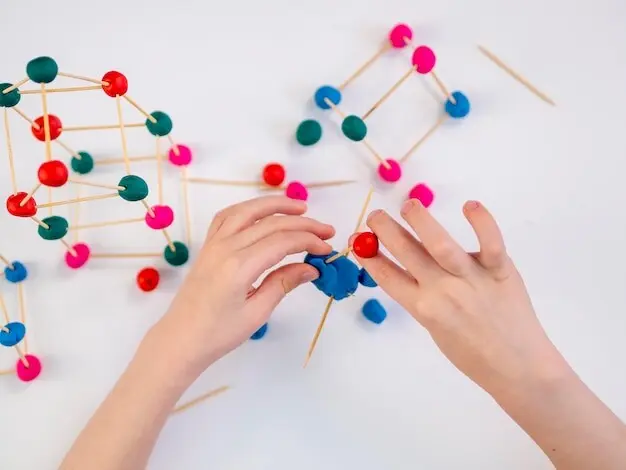
From Central Idea to Clear Branches
Start by phrasing the core in active language, then radiate first-level branches for goals, constraints, resources, and stakeholders. Keep words on lines, not in bubbles, so reading flows quickly. Expand only where curiosity demands, resisting ornamental sprawl that hides insight.
Color Coding and Visual Cues
Assign a palette deliberately: warm colors for actions, cool for context, and neutrals for evidence. Repeat tiny icons to label types of nodes consistently. These cues accelerate scanning, reduce ambiguity, and turn a large map into an approachable, navigable, living dashboard.
Linking, Grouping, and Pruning
Draw dotted connectors for cross-links, bracket clusters that belong together, and periodically prune branches that duplicate or drift. Tidying is not cosmetic; it reveals structure, clarifies leverage points, and keeps your map light enough to revisit and actually use.
Make It Stick: Memory Workflows

Real Stories, Real Wins
A Student Turns Panic into A’s
Before finals, Maya replaced dense outlines with weekly sketchnotes and two mind maps per chapter. Quizzing herself with covered margins, she shaved hours off review time and walked into exams calm, finishing early, with surprising clarity that endured long after grades arrived.
A Manager Runs Sharper Meetings
Luca started drawing agenda mind maps on a whiteboard, tagging owners beside icons for risks, dependencies, and deadlines. Status updates became faster, debates stayed focused, and decisions landed visibly. Team morale ticked up as progress finally looked tangible, trackable, and easy to celebrate.
All Rights Reserved.